
Given the spread of Artificial Intelligence (AI) across different sectors and steadily rising interest in this technology, it has already become crystal clear that the future is hardly possible without it. This technology also ceases to be a competitive advantage, turning gradually into another must. The key focus shifts from the question of whether to apply AI in the routine processes or not. Instead, it becomes more important to develop custom AI solutions and integrate them into the work processes, streamlining them.
This technology has many long-term implications. It reduces costs and time required for processing routine data flows. Those may be redirected to the business objectives associated with further optimizations and innovations.
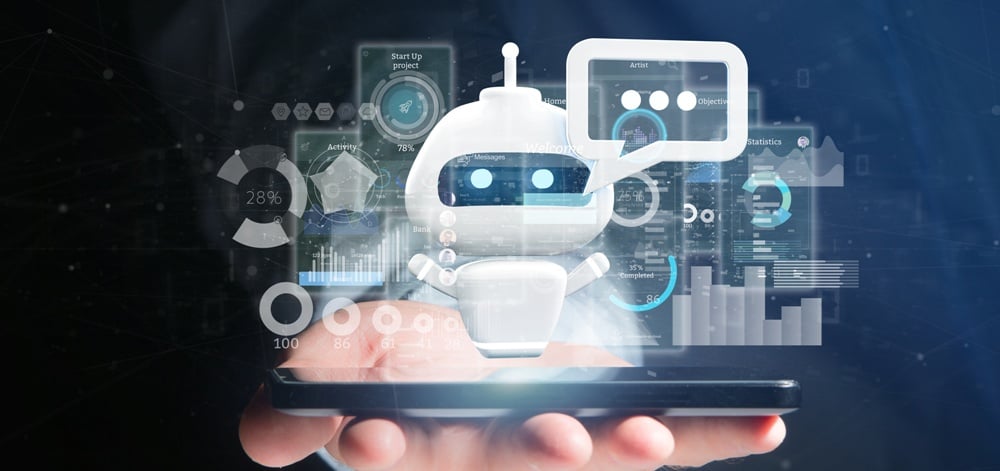
One of the key AI solutions that most modern businesses are now leveraging is the AI agent. It is not an ordinary chatbot that mechanically answers questions. Nowadays, AI agents are becoming intelligent and can effectively handle a variety of complicated issues without or with human involvement. AI agents can accomplish even multi-step tasks. They can plan, reason, and navigate different tools, completing many routine workflows autonomously.
Tailored AI agent development services allow modern companies to optimize their routine processes maximally and upgrade their performance metrics. In between the deployment and performance results, there is a specific transforming work that AI agents do.
How Do AI Agents Upgrade Routine Processes?
Without delving too much into technical details, AI agents rely on intelligent processing to automate sophisticated assignments rather than completing isolated tasks. These tools analyze data and communicate across different connected applications. They make decisions on predefined rules and steadily analyze feedback to further enhance their performance. AI agents significantly accelerate processing and routine work, allowing employees to focus on more high-value strategic or creative work.
Here are specific examples of assignments where AI agents can be successfully applied. First, they are used to automate workflows end-to-end. They also reduce handle time and backlog, cutting manual work and streamlining operations with intelligent automation across all operational levels. They also ensure controlled costs for each assignment they handle. AI agents are very helpful and always more accurate with performance evaluation, allowing to see trends and issues as soon as they appear.
While traditionally AI agents are more associated with customer service, their impact and application extend across industries. In software development, AI agents assist with code generation and testing. They optimize the routine workflows and minimize the risk of errors. Marketing teams leverage this technology to conduct more in-depth research and develop custom recommendations. AI agents can also be used in marketing to analyze campaign performance and optimize customer engagement. The AI agents are even successfully applied in healthcare. They are used to schedule appointments, manage administrative workflows, and analyze clinical documentation.
Where Human Touch Meets Technologies
The wider application of AI technology reflects a broader trend. Instead of focusing on performing individual tasks, AI agents are applied to handle more complex assignments. They gradually become collaborative partners that successfully manage many operational workflows. These agents can coordinate multiple integrations and software solutions. They monitor many processes, analyze, and predict upfront. AI agents optimize processes and reduce costs so businesses can focus on more strategic work instead.